
Magnesium for Balanced Nutrition of Crops

Introduction
Magnesium plays a critical role in several functions within the plant:
- Structural component of chlorophyll
- Key Booster of Photosynthesis
- Carbohydrate transport
- Thermal stress tolerance
Magnesium (Mg), along with calcium and sulfur is one of the three secondary nutrients needed for balanced crop nutrition. Often overlooked, magnesium deficiencies can lead to reduced crop growth and yield.
The role of magnesium in the plant
Magnesium plays a critical role in various functions within the plant and has a substantial effect on its growth and performance.
Structural component of chlorophyll:
Magnesium is the central atom of the chlorophyll molecule. Proper nutrition in the plant, which includes magnesium, maintains high levels of chlorophyll, resulting in green and healthy tissue.
Key Booster of Photosynthesis:
Photosynthesis is the process by which plants generate energy from intercepted sunlight, to grow through the production of carbohydrates. The presence of magnesium in the chlorophyll is necessary for photosynthetic reactions and therefore carbohydrate production to occur.
Carbohydrate transport:
The transport of carbohydrates from the leaves to the tissues that actively grow on the roots of plants, in shoots and in reproductive organs, requires adequate levels of magnesium. A magnesium deficiency can reduce root or shoot growth (Fig. 1), and potentially the weight of the seeds or fruits.
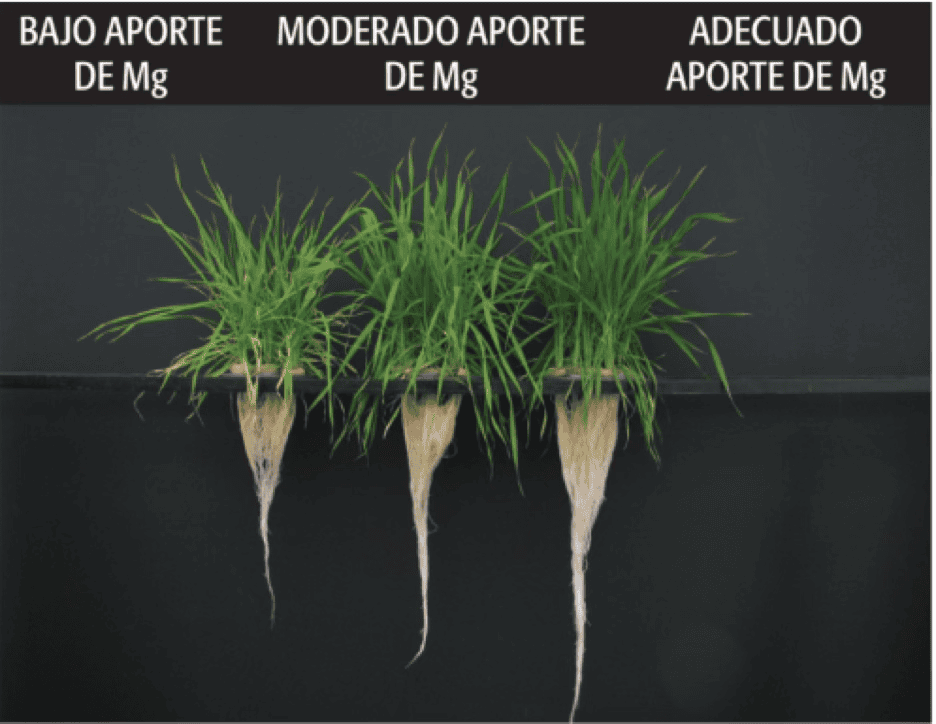
Fig. 1. Growth of roots and shoots of wheat plants with a low, moderate and adequate supply of magnesium. (Source: Cakmak, 2013, Plant and Soil).
For example, a recent publication indicated a reduction in wheat seed weight from 41 to 24 mg/seed in a low magnesium growth environment (Fig. 2).
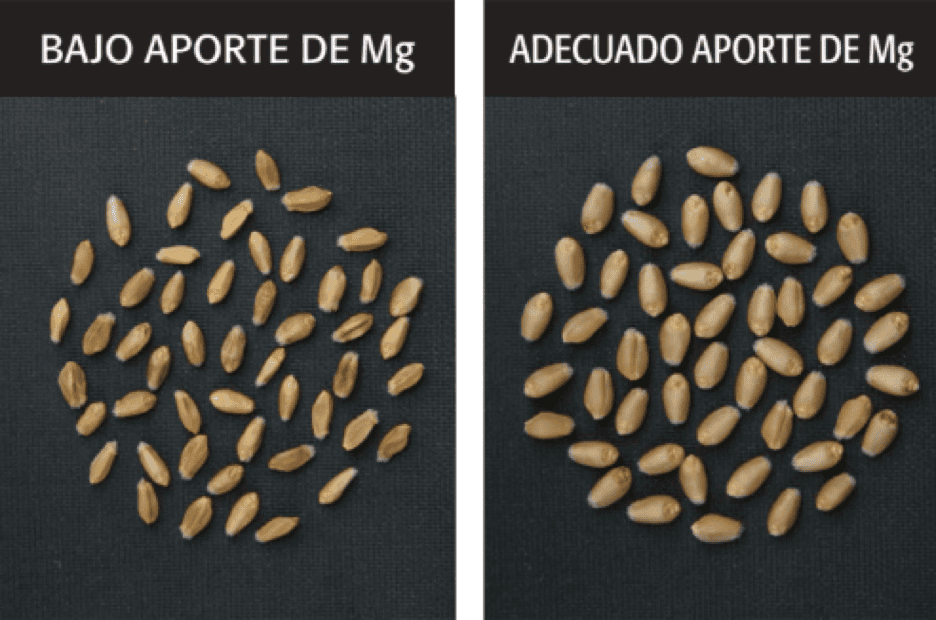
Fig. 2. Seeds of wheat plants grown with low magnesium (left) and adequate fertilization with magnesium (right). (Source: Ceylan, et al., 2016, Plant and Soil).
Tolerance to thermal stress:
Since plants with low magnesium or potassium (K) supply are not able to maintain an optimal level of photosynthesis, the energy of the absorbed light for photosynthesis begins to accumulate in the leaves. This excessive energy of light damages the tissue of the leaf. A suitable magnesium available in the plant maintains optimal photosynthesis and reduces crop stress due to high solar radiation and high temperature (Fig. 3).
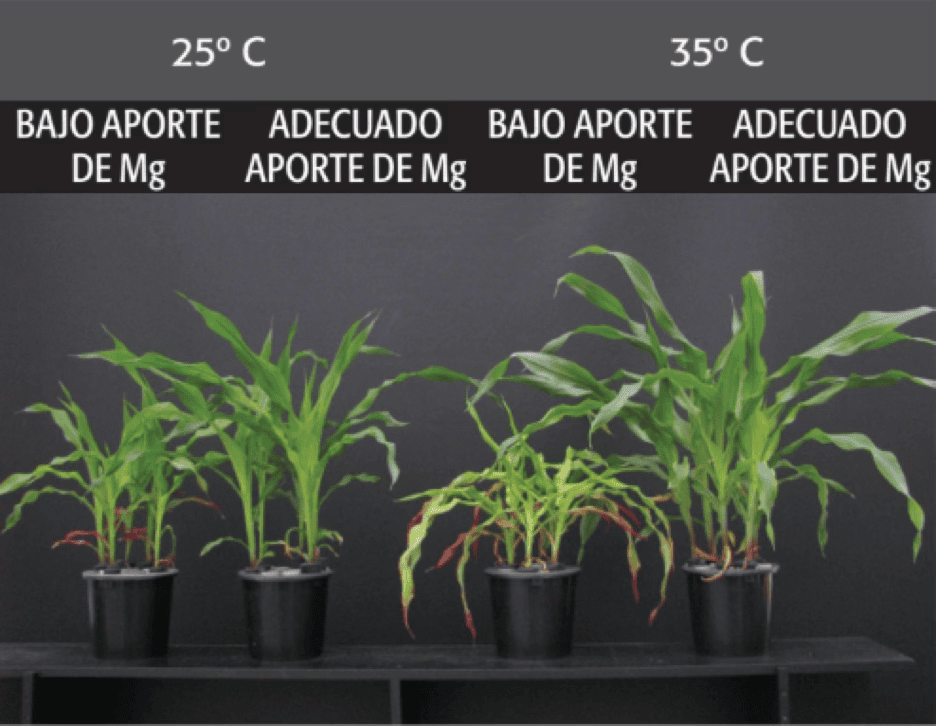
Fig. 3. Effect of magnesium temperature and supply on corn growth and development. (Source: Mengutay, et al., 2013, Plant and Soil)
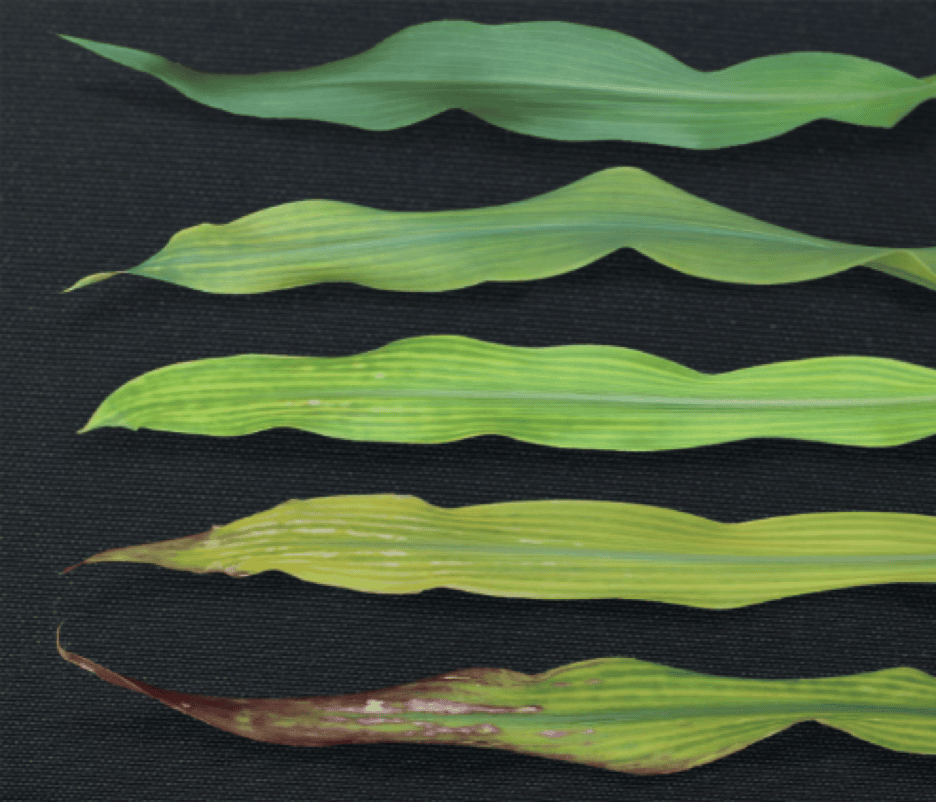
Fig. 4. Corn leaves with symptoms of magnesium deficiency due to the decrease in the supply of this element.
Magnesium deficiency
Magnesium is mobile within the plant and usually translocates from older to younger tissues; therefore, magnesium deficiencies usually appear first in older leaves. The low concentration of magnesium in plants will generate intervenal chlorosis (Fig. 4). When magnesium deficiencies are severe, it can also cause redness of the leaf tissue. Below are some of the most common environmental and soil factors that may lead to the appearance of magnesium deficiency in plants:
Cultivation system:
Magnesium deficiency is a growing concern especially in intensive crop production systems. Under such systems, high amounts of magnesium are absorbed, and because the extracted magnesium is generally not replenished, intensive culture systems can rapidly deplete magnesium stores in the soil.
The pH and type of soil:
Acidic and/or thick-textured soils are more likely to experience magnesium deficiency. The low capacity of cation exchange in sandy soils can allow magnesium leaching through the soil profile, especially when excessive precipitation or irrigation is received.
Soil Cations:
Magnesium is absorbed by the plant as Mg2+ ion. This can be found in soil solutions, on clay surfaces and within clay layers. Magnesium on clay surfaces (exchange sites) becomes soluble when replaced by another cation present in the soil solution. Some research suggests that repeated use of high-cation fertilizers (e.g., K+, NH4+, Ca2+, etc.) may displace magnesium at exchange sites (cation exchange capacity) and may induce magnesium deficiency. In such situations, the application of fertilizers containing magnesium and potassium, such as K-Mag® (0-0-21.5-10.5Mg-21S), can minimize or avoid the risk of magnesium deficiency in plants.
Need for crops and fertilization with Magnesium
Corn, potato, sugar cane, coffee, oil palm and bananas are among the most demanding crops in magnesium. Magnesium fertilization rates generally range from 15 to 45 kg/ha of magnesium. As important as the application rate is the consideration of magnesium solubility. Nutrient sources that are highly soluble may be prone to leaching in acidic and/or coarse-textured soils in contrast to low solubility compounds (oxides and carbonates), which may take months or years before magnesium becomes a form available to the plant. Therefore, understanding the differences in magnesium solubility between fertilizers will help distributors and producers understand the most suitable source of nutrients for their individual needs.
Conclusion
Magnesium has a diverse and critical role in various functions of the plant. These functions, including photosynthesis, transporting carbohydrates to different growing tissues (roots, shoots, and reproductive organs) and stress tolerance mechanisms, explain why performance declines can occur with inadequate magnesium nutrition. Special attention should be paid to magnesium nutrition in 1) intensive cultivation systems, 2) acid soils or thick textured soils and 3) when fertility programs require repeated use of nutrient sources with high concentrations of other cations.
Additional readings
Cakmak, I. (2013): Magnesium in crop production, food quality and human health. Plant Soil. 368:1–4.
Cakmak, I. and Kirkby, E.A. (2008): Role of magnesium in carbon partitioning and alleviating photooxidative
damage. Physiol. Plant. 133:692–704.
Cakmak, I. and Yazici, A.M. (2010): Magnesium: A forgotten element in crop production. Better Crops. 94:23–25.
Ceylan, Y., Kutman, U.B., Mengutay, M. and Cakmak, I. (2016): Magnesium applications to growth medium and foliage affect the starch distribution, increase the grain size, and improve the seed germination in wheat. Plant Soil. 406:145–156. Dibb, D.W. and Thompson W.R. (1985): Interaction of potassium with other nutrients. In “Potassium in Agriculture.” 22:515–533.
Mengutay, M., Ceylan, Y., Kutman, U.B. and Cakmak, I. (2013): Adequate magnesium mitigations adverse effects of heat stress on maize and wheat. Plant Soil. 368:57–72.
Mikelsen, R. (2010): Soil and fertilizer magnesium. Better Crops. 94:26–28.
Römheld, V. and Kirkby, E.A. (2010): Research on potassium in agriculture: Needs and prospects. Plant Soil. 335:155–180.